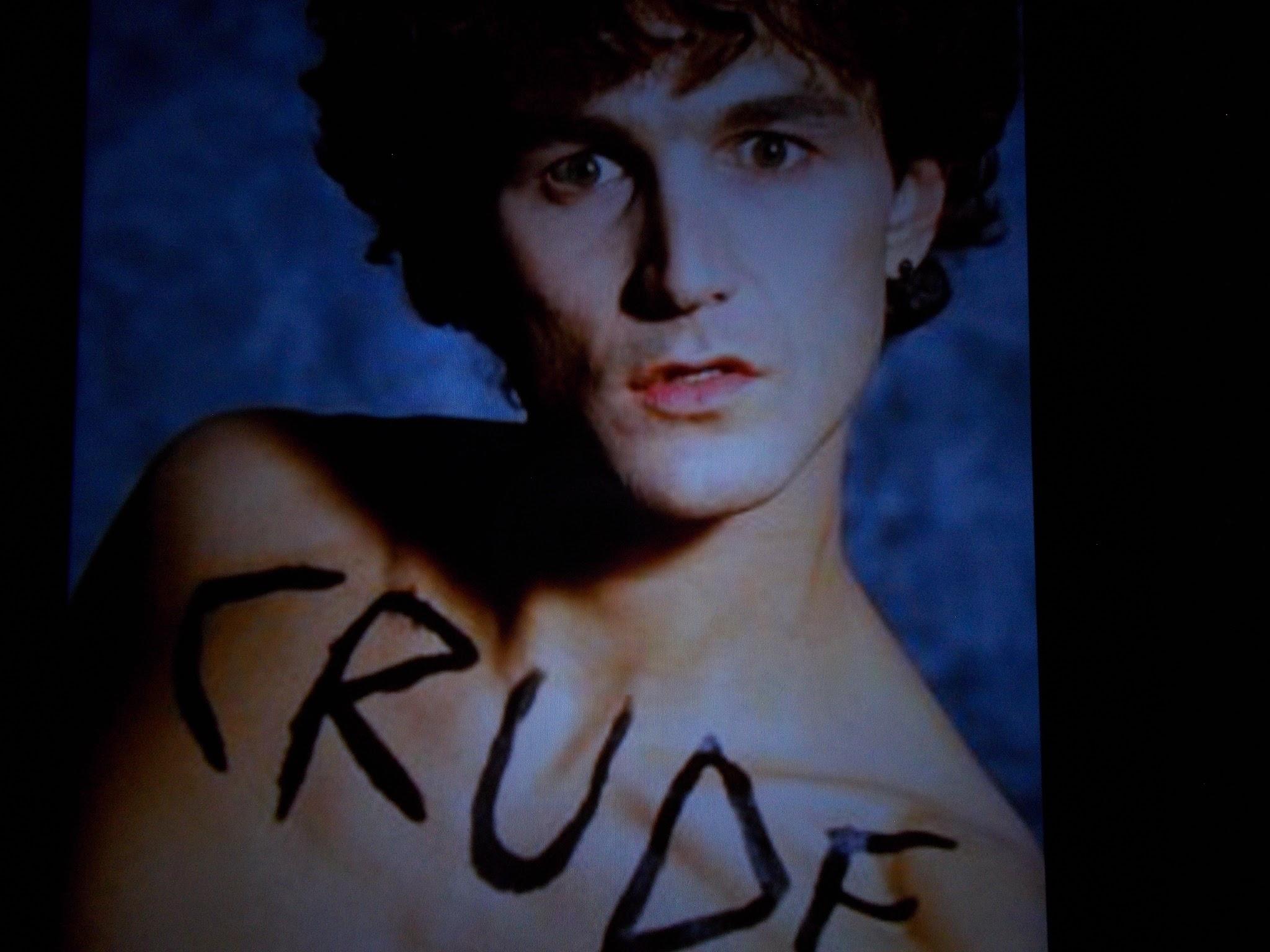
This November marks fifty years since the tragic death of the English singer-songwriter Nick Drake. He was just 26 years old. His wistful, melancholic songs continue to resonate with new audiences, despite the fact that he was relatively unknown during his lifetime. He has a timeless appeal because his songs have a profundity that transcend time and place.
He was born in Burma in 1948. His father was an engineer who was stationed in Rangoon. His mother, Molly Drake was an accomplished poet and musician herself, and the daughter of a high ranking official in the Indian Civil Service. They moved back to England in 1951, and settled in Tanworth-in-Arden.
Molly recognised a nascent poetic and musical talent in her son and encouraged him to take piano lessons. Soon he was composing his own songs, and recorded them on a reel-to-reel tape recorder. In 1957, he was sent to boarding school. He attended Eagle House School in Berkshire, then five years later he went to Marlborough College.
He learned to play the clarinet and saxophone and formed his first band with four of his school friends. They were called “The Perfumed Gardeners” and their material was a mixture of jazz and rock cover versions. Drake was so enamoured of his burgeoning music career that he neglected his academic studies.
He failed his exams, but he was not daunted about his future. He decided to buy a second hand acoustic guitar and learn how to play it, hoping that he could imitate his musical heroes. He also improvised new techniques to attempt to create his own sound. Nevertheless he realised that he could neglect his education and enrolled at a crammer college in Five Ways in Birmingham, which led to a scholarship at Fitzwilliam College in Cambridge.
Drake took a “gap year” in France, taking classes at the University of Aix-Marseille and practising his guitar. He busked on the streets, and in a spirit of youthful naivety began experimenting with drugs. He returned to England in October 1967 to start his degree in English at Cambridge. During his first year he experienced the early signs of a mental illness that dogged him throughout his tragically short life, but rather fortuitously he befriended Robert Kirby. Kirby was a music student who helped him develop his musical style.
In 1968 Drake performed in coffee houses and clubs in London. His style was unique, combining gentle English folk melodies with the elegiac lyricism reminiscent of John Keats. His performances attracted the attention of the American music producer Joe Boyd. Boyd offered him a management, publishing and production contract. Drake signed the contract, and with the help of Robert Kirby’s musical arrangements recorded three studio albums.
In 1971, Drake’s mental health deteriorated. He was referred to a psychiatrist who prescribed amitriptyline, an antidepressant. He was also self-medicating with cannabis. He returned to his parents house in Tanworth, surviving on a £20 a week retainer from Island records. In 1972 he had a psychotic episode and was hospitalised for five weeks, by 1974 his weekly retainer from Island had ceased. Drake quickly became a recluse, and he chose to isolate himself in his childhood bedroom writing poems and songs.
Drake’s parents accepted his irregular lifestyle, which included staying up late to write and sleeping in until late in the morning. On the 25th November he took an overdose of amitriptyline and died. His parents initially believed that he was still sleeping. Drake had reportedly suffered chronic insomnia and it was unclear at that time whether the overdose was accidental or intentional. However at the inquest the coroner examined the evidence and circumstances and concluded that the cause of death was suicide.
Nick Drake lived a solitary life, and his severe mental health problems made him an outsider. However it must be acknowledged that there are bright, stellar talents in literature and music who are also burdened by similar problems. Drake was not alone, he was not the only one to suffer in this way. His songs of pathos have never lost their appeal over the decades, and it is his legacy that should be remembered rather than the sad circumstances of his death.