On the 8th June 1880, the Russian author Fyodor Dostoevsky delivered a speech to honour the legacy of the poet Alexander Pushkin. Dostoevsky was invited to speak at a special ceremony dedicated to the revered Russian poet in Moscow. At the end of the ceremony, the Pushkin monument was unveiled. The words of the speech were impressed upon the memory of the Russian people, and have entered Russian literary history.
At that time, the people of Russia were devout Christians. This occasion had a deeply spiritual significance as well as being an event of great national importance. It is incredibly poignant to reflect upon the fact that Dostoevsky died just eight months after he delivered his speech which adds to the pathos of the words.
He truly believed that Pushkin understood the unique struggles of the Russian people, something he also tried to incorporate into his own work. The intensity of thought and the sorrow that characterises Russian literature is distinct from the cold bluntness that he perceived in writers from Northern European, Protestant cultures.
The Russian character was created by the history and politics of the nation. The Russian is imbued with a certain sensibility, a desire for profundity and meaning. This psyche is absent from the citizens of stable and secure countries, because they had never experienced tumult on the same scale.
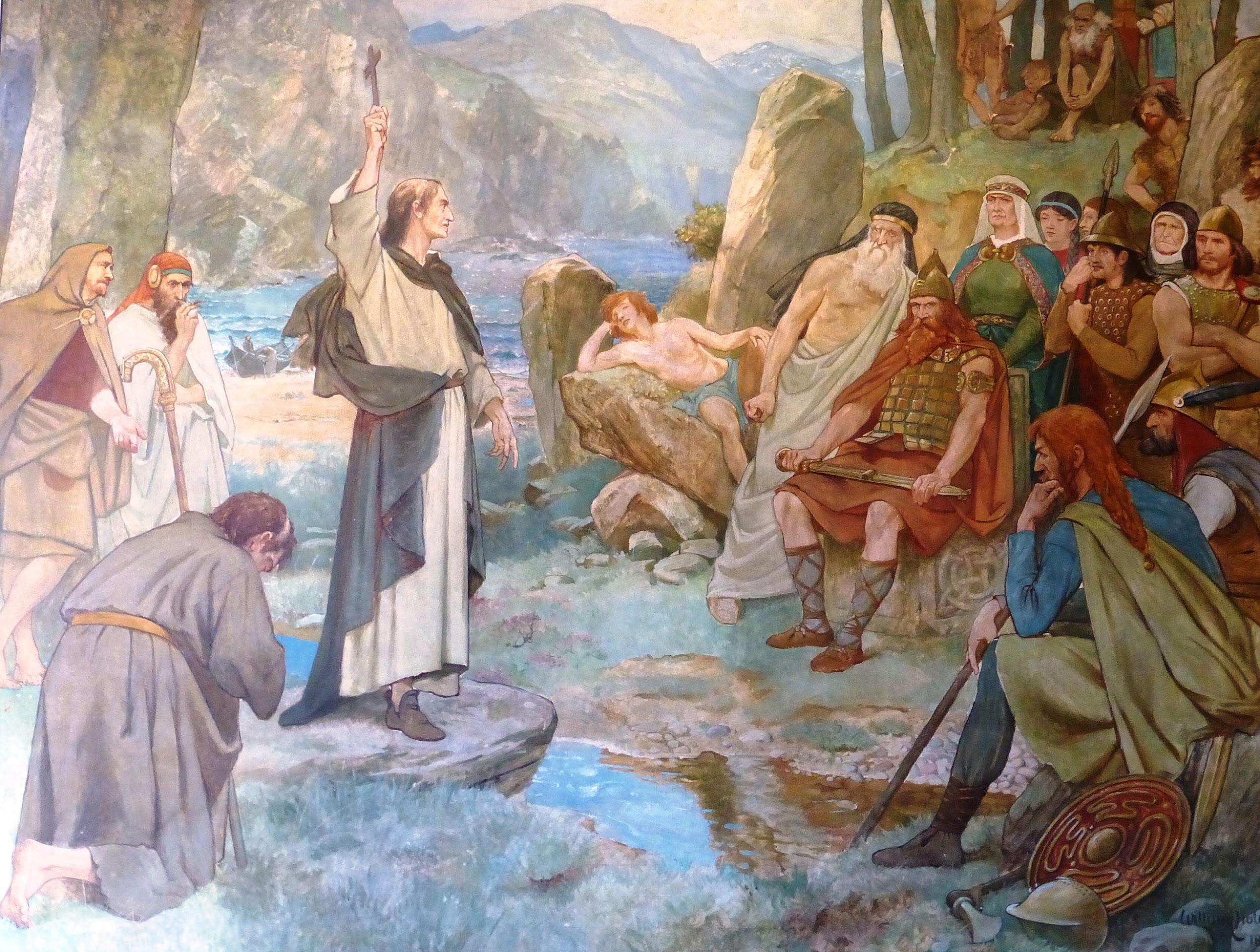
However before Pushkin, another historical prophet was revered. Prince Vladimir the Great was the symbol of the Russian soul. In AD 489 he divested with the old Slavic Paganism and converted to Orthodox Christianity. His example inspired his own people to embrace the new religion. However this religious and cultural homogeneity was shattered by the Mongol invasions of the 13th century.
Russia has historically stood upon the precipice of annihilation, both geographically and culturally. It has never been entirely accepted as “European” by the supposedly progressive nations of the continent and it has been resistant to Eastern influence as a consequence of its torrid relations in the past.
The literature reflects this anxiety, Ivan Turgenev was the first author to popularise the term “nihilism” to describe this state of mind. Russians in the popular imagination are either resigned to their fate or seeking a divine intervention and possess an apocalyptic imagination. This has been exploited for centuries and has allowed access to populist leaders with vain promises, only for them to lapse into autocracy and authoritarianism. It is only appropriate for those of us who live in the free world to empathise rather than seek to judge a people.